
Dental Clinic Design to Construction in Toronto
Delivering Cutting-Edge Designs, Comfortable Interiors, and Unparalleled Functionality and Efficiency
Dentetris brings deep, specialized experience in dental office design and construction, with
architectural and interior design services delivered to more than 25 dental practices across Toronto and the GTA. Over the years, the team has planned and designed more than half a million square feet of dental office space for General Dentists, Sedation Dentists, Pediatric Dentists, Orthodontists, Endodontists, Periodontists, and Oral Surgeons.
The firm understands that successful dental clinic design is driven by patient comfort, efficient clinical workflow, regulatory compliance, and the integration of modern dental technology and equipment. Every project aims to create a warm, welcoming experience for patients while supporting the technical needs of the clinical team and reflecting the practice brand, from traditional to ultra-modern interiors.
Dentetris acts as a complete dental clinic design-to-construction partner in Toronto, offering a true turnkey model that combines planning, design, permit coordination, construction management, equipment integration, and final fitout under one coordinated service. Dental facilities are not typical commercial interiors; they require deeper expertise in workflow planning, infection control, equipment coordination, and communication at every stage to deliver a highperforming, compliant environment.
Need Help?
Turn-Key Dental Office Services
Dentetris makes it easy to move from concept to opening day with a single accountable team. The turnkey approach emphasizes singlepoint communication, integrated design and construction, and handson support through startup.
Our services include:
Site selection and feasibility review for Toronto and GTA locations
Dental clinic space planning and patient flow optimization
Architectural design and construction documentation
Permit application coordination and code compliance support
Construction management, trade coordination, and scheduling
Custom millwork, cabinetry, and operatory planning
Integration planning for imaging, sterilization, IT, and security systems
Final finishing, equipment installation coordination, and opening readiness
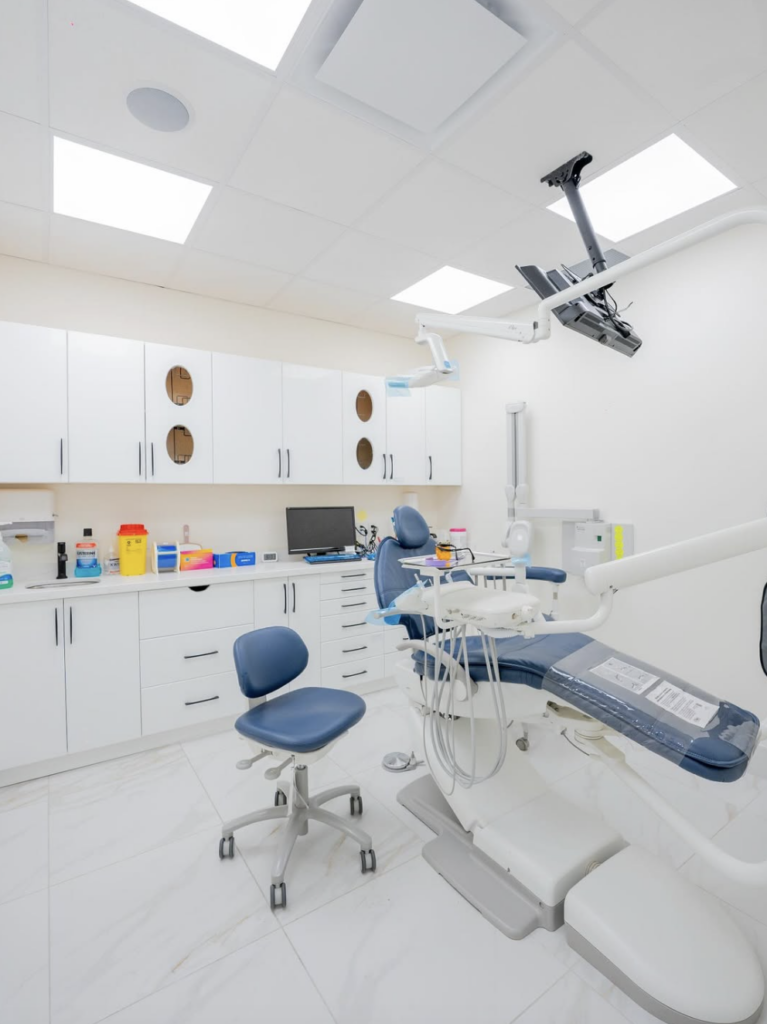
How to Optimize Dental Clinic Layout for Infection Control Compliance
Effective infection control starts at the design stage, not after construction is complete. Early layout planning should support clear clinical zoning, efficient sterilization flow, and reduced crosstraffic between patients, staff, instruments, and waste streams.
Reception, operatories, reprocessing areas, staff circulation routes, hand hygiene points, durable surfaces, and storage locations are all coordinated so the clinic is easier to clean, easier to supervise, and easier to keep compliant every day.
Key layout strategies include:
- Separating public, clinical, sterilization, and staff support zones early in the plan
- Designing sterilization areas with logical dirtytoclean instrument flow to support consistent reprocessing routines
- Minimizing unnecessary crossing paths between patients, staff, and contaminated instruments
- Selecting finishes and millwork details that support cleaning durability and longterm maintenance
- Positioning sinks, storage, and support spaces to reduce workflow friction in operatories and treatment support rooms
Common Pitfalls During Dental Clinic Permit Approvals in Ontario
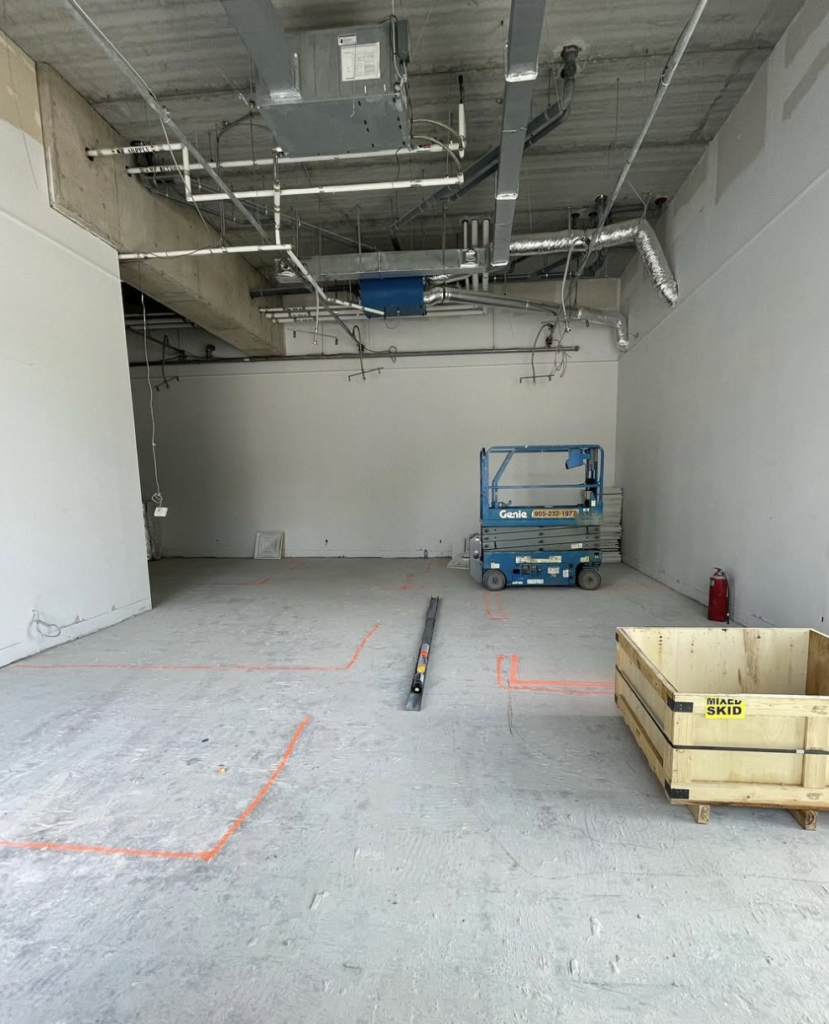
Many permit delays occur when a dental clinic is treated like a standard office renovation. Dental projects face stricter review for building codes, regulations, and medical/dental facility requirements, so early guidance is critical.
In Toronto and across Ontario, permit packages move more smoothly when design intent, mechanical requirements, occupancy details, accessibility, and healthcare specific construction considerations are coordinated from the beginning.
Common pitfalls to avoid:
- Incomplete drawings that do not reflect dentalspecific systems or room functions
- Weak coordination between landlord requirements, basebuilding conditions, and tenant design scope
- Underestimating code review requirements for plumbing, ventilation, electrical loads, and specialized equipment
- Leaving permit strategy too late, resulting in redesigns, resubmissions, and schedule compression
- Working with general contractors who lack dental experience and overlook healthcarespecific compliance details
Integrating Dental Technology Requirements into Early Stage Design
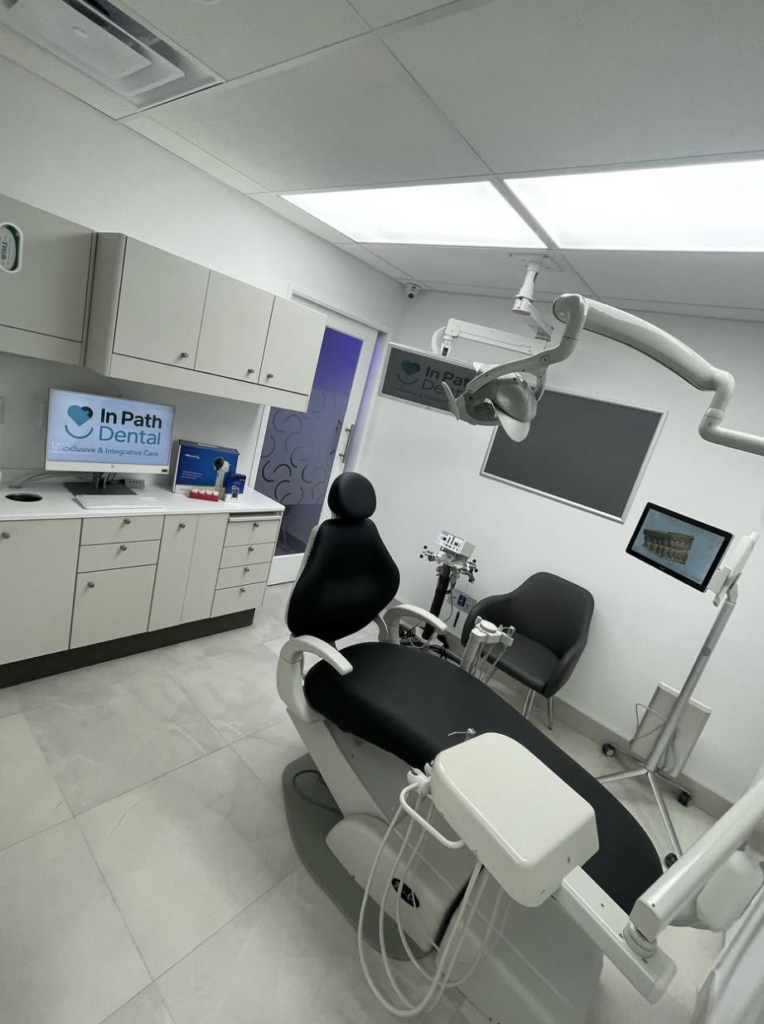
Dental technology must be considered from the first planning conversation, not added as an afterthought. Equipment, software, security, and specialized systems directly affect infrastructure, room dimensions, cabinetry, power, and workflow.
Early technology planning improves both performance and budget control. When imaging, sterilization equipment, network infrastructure, chair packages, and custom cabinetry are coordinated at the concept stage, the practice avoids costly site changes and creates a smoother path to installation and commissioning.
Technology integration best practices:
- Plan operatory dimensions around current and future equipment needs
- Coordinate power, data, plumbing, and mechanical requirements before drawings are finalized
- Align cabinetry design with delivery systems, imaging, storage, and ergonomic needs
- Prepare for digital workflows, software infrastructure, and security requirements from the outset
- Reduce change orders by confirming technology vendors and equipment assumptions during design development
Benefits of Turn-Key Versus Traditional Multi-Vendor Construction
A turnkey delivery model provides one accountable partner from strategy through completion. In contrast, a traditional multivendor model splits design, construction, equipment, and coordination across many parties, increasing the risk of delays and miscommunication. For busy dentists, a turnkey partner like Dentetris offers clarity, speed, and reduced risk. By keeping design and construction integrated, the project is better aligned with clinical needs and
financial expectations.
| Factor | Turn-Key Model | Traditional Multi-Vendor Model |
|---|---|---|
|
Communication |
One main point of contact throughout
the project lifecycle |
Multiple vendors and consultants can
slow decisions and create misalignment |
|
Accountability |
Centralized responsibility reduces
gaps between design and construction |
Split responsibility often leads to disputes and scope confusion |
|
Speed Focused |
Early coordination shortens timelines
and reduces rework |
Sequencing is slower when teams are
selected and coordinated separately |
|
Budget Control |
Integrated planning supports clearer
budgeting and fewer surprises |
Budget drift is more likely when design
and execution are disconnected |
|
Dentist Workload |
Less daytoday coordination required
from the clinic owner |
Owners spend more time managing
vendors and resolving communication
issues |
Frequently Ask Questions
Dental clinic designtoconstruction services typically include planning, layout development, permit coordination, architectural design, construction management, equipment integration, and final fitout support. Dentetris delivers these as a single, integrated pathway to simplify delivery and improve accountability.
A turnkey dental contractor reduces communication gaps, improves accountability, and streamlines scheduling by keeping design and construction under one coordinated structure. This approach improves efficiency, reduces project risk, and frees the dentist to focus on patients.
Dental equipment planning should begin in the early design phase. Infrastructure, room sizes, cabinetry, software, and workflow all depend on the equipment selected, and late decisions can increase redesign costs and cause avoidable construction changes.
A compliant layout supports clear zoning, better instrument flow, easier cleaning, and fewer workflow conflicts between staff and patients. Thoughtful functional planning improves safety, efficiency, and daytoday performance in a Toronto dental practice.